Thinking About Donating Breastmilk? Here's What Most Milk Banks Require
The Mothers Block · · 1 min read
#Breastfeeding#Milk Donation#Community#Opinion#Newborn
Opinion piece. The views expressed in this article are personal reflections and do not constitute medical advice, professional guidance, or verified fact. Always consult a qualified healthcare professional for medical concerns.
For many moms, producing a little extra breastmilk can feel like a small miracle. What many people don't realise is that this extra milk can make a life-changing difference for premature and vulnerable babies who rely on donor milk in hospital neonatal units.
If you're considering donating, the process is usually simple and designed to ensure the milk is safe for the babies who receive it.
Most milk banks will first ask you to complete a health screening questionnaire. This helps them understand your medical history, lifestyle and overall health. It's a standard step used to make sure donor milk meets strict safety standards.
You'll also usually be asked to do a few blood tests, which are typically arranged and covered by the milk bank. These tests screen for certain infections and are a routine part of the donor approval process.
Milk banks also require that donors do not smoke and are not taking certain medications, as these can pass through breastmilk. If you are taking medication, the milk bank will usually guide you on whether it is safe to donate.
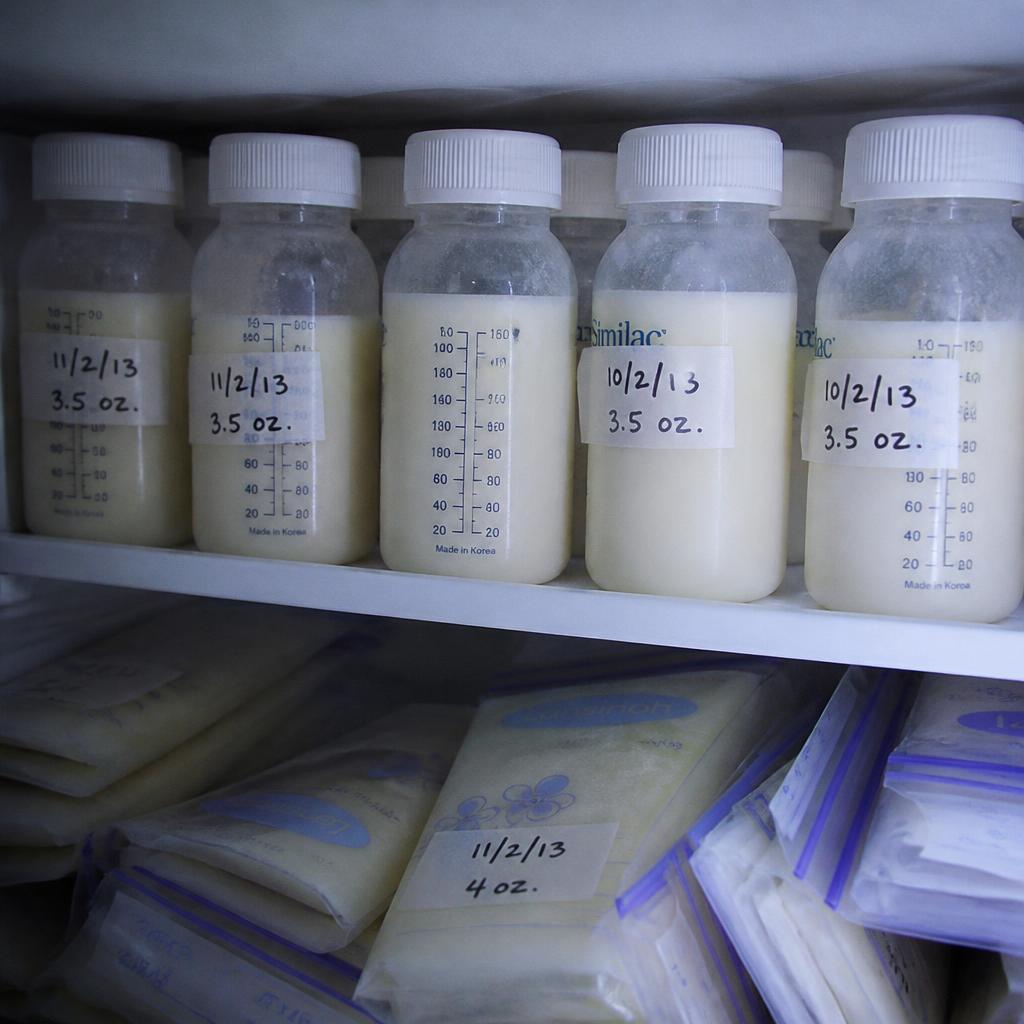
Once approved, you can begin donating breastmilk that has been expressed hygienically and frozen. The milk bank will provide sterile containers along with clear guidelines on how to express, store and label your milk safely.
For many mothers, donating breastmilk becomes a meaningful way to support other families during a very vulnerable time. A few extra bags of milk can help feed premature babies who need it most, turning something your body already produces into an incredible act of generosity.
Disclaimer: Opinion piece. The views expressed on this page are personal reflections and do not constitute medical advice, professional guidance, or verified fact. Always consult a qualified healthcare professional for medical concerns.