Sleep by Age: The Secret Superpower Every Parent Needs
TheMothersBlock · · 1 min read
#sleep#bedtime routine#newborn#toddler#child development
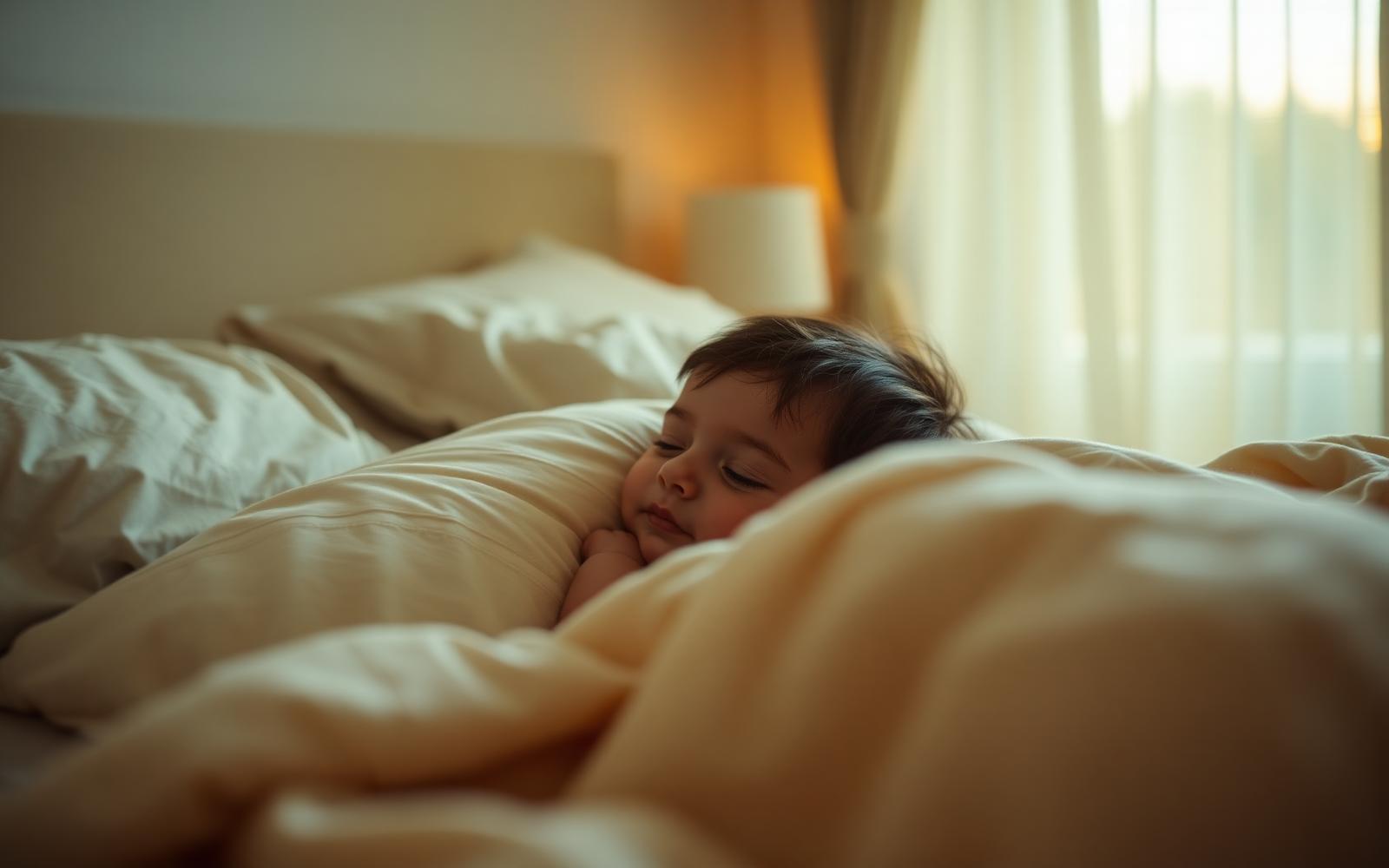
Sleep isn't just downtime — it's when a child's brain is hard at work. While little ones dream, their brains strengthen memories, build new neural connections, release growth hormone, and process everything they've learned during the day. It's no wonder sleep experts often call it one of the most important ingredients for healthy childhood development.
 The amount of sleep children need changes as they grow. Newborns typically need 14–17 hours in a 24-hour period. Babies aged 4–12 months need 12–16 hours, including naps. Toddlers thrive on 11–14 hours, preschoolers need 10–13 hours, school-aged children require 9–12 hours, and teenagers still need a surprising 8–10 hours each night.
Why does it matter? Children who get enough quality sleep are generally better at concentrating, learning, regulating emotions, and fighting off illness. On the flip side, too little sleep can lead to irritability, poor attention, behavioural challenges, and even long-term health concerns.
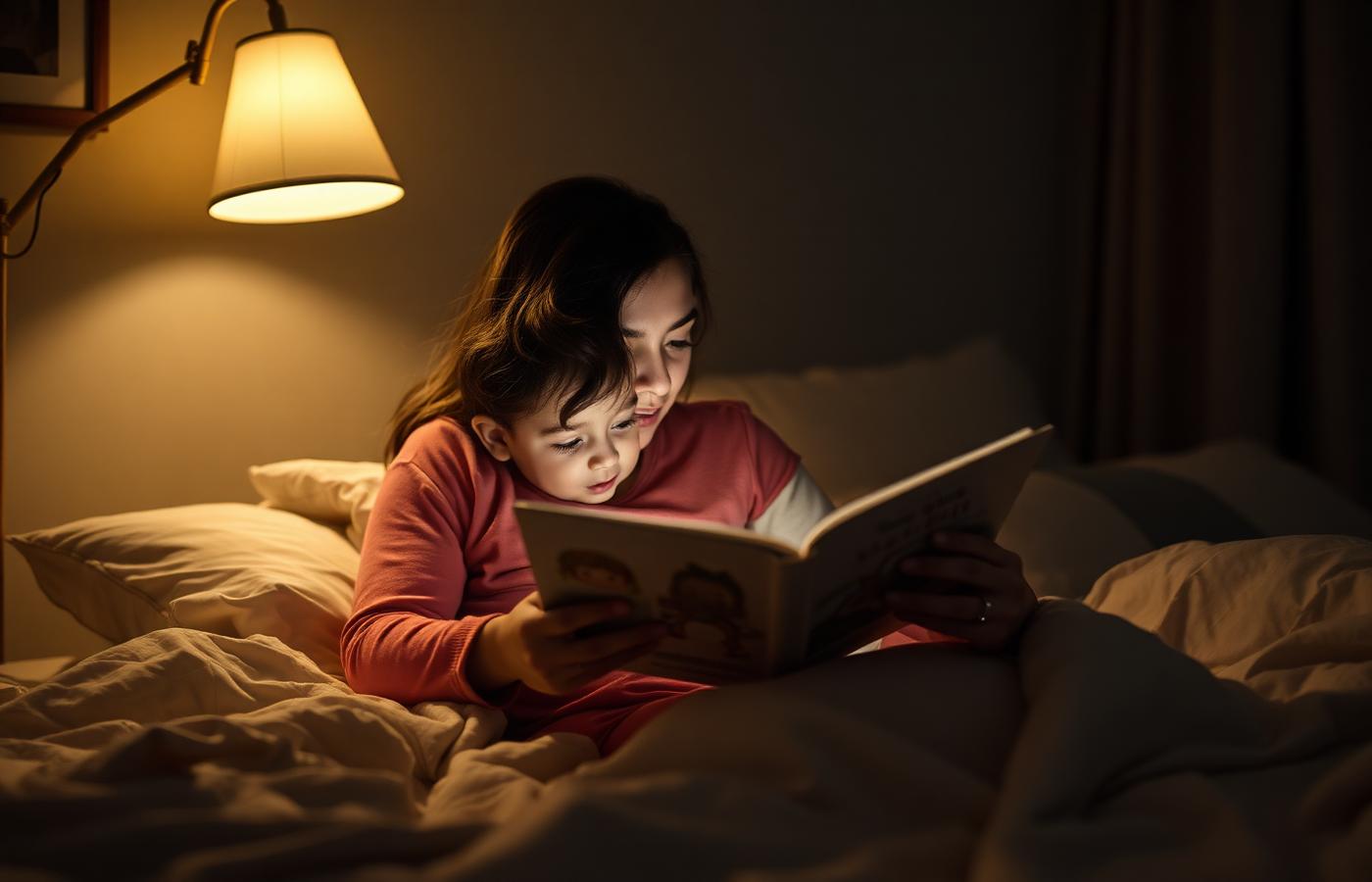 For parents, one of the greatest gifts you can give yourself is a predictable bedtime routine. A warm bath, a story, dim lights, and the same bedtime every night help signal to the brain that it's time to wind down. Consistency makes falling asleep easier, reduces bedtime battles, and often means fewer overnight wake-ups.
A reliable sleep routine isn't about rigid schedules — it's about creating a sense of security. Well-rested children are happier, healthier, and more resilient, while well-rested parents are more patient, energised, and ready to enjoy the precious moments that make family life so rewarding.
The amount of sleep children need changes as they grow. Newborns typically need 14–17 hours in a 24-hour period. Babies aged 4–12 months need 12–16 hours, including naps. Toddlers thrive on 11–14 hours, preschoolers need 10–13 hours, school-aged children require 9–12 hours, and teenagers still need a surprising 8–10 hours each night.
Why does it matter? Children who get enough quality sleep are generally better at concentrating, learning, regulating emotions, and fighting off illness. On the flip side, too little sleep can lead to irritability, poor attention, behavioural challenges, and even long-term health concerns.
For parents, one of the greatest gifts you can give yourself is a predictable bedtime routine. A warm bath, a story, dim lights, and the same bedtime every night help signal to the brain that it's time to wind down. Consistency makes falling asleep easier, reduces bedtime battles, and often means fewer overnight wake-ups.
A reliable sleep routine isn't about rigid schedules — it's about creating a sense of security. Well-rested children are happier, healthier, and more resilient, while well-rested parents are more patient, energised, and ready to enjoy the precious moments that make family life so rewarding.Disclaimer: Opinion piece. The views expressed on this page are personal reflections and do not constitute medical advice, professional guidance, or verified fact. Always consult a qualified healthcare professional for medical concerns.